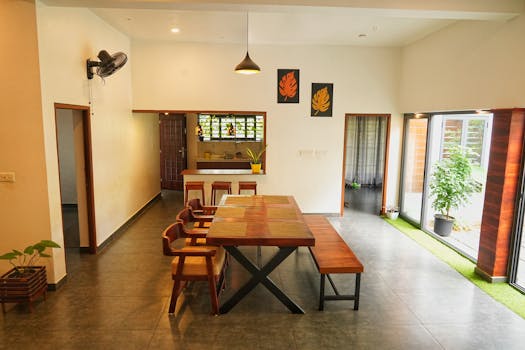
Imagine embarking on a home renovation, armed with a meticulously curated collection of tools, materials, and blueprints, all neatly categorized and designed to work in harmony. Sounds like a dream, doesn’t it? Yet, for many, the term “home improvement house set” conjures up images of modular kits or pre-packaged solutions. But what if it’s much more nuanced, a concept that speaks to efficiency, foresight, and a holistic approach to making our living spaces better? Let’s delve into this intriguing idea, peeling back the layers to understand its real-world implications and how it can revolutionize the way we think about upgrading our homes.
Deconstructing the “Set”: More Than Just a Collection
When we talk about a “home improvement house set,” we’re not necessarily referring to a single product you can buy off the shelf, like a furniture set. Instead, think of it as a conceptual framework, a strategic assembly of interconnected elements that contribute to a larger improvement goal. This could encompass anything from a cohesive landscaping plan for a property to a unified set of interior design specifications for a complete home makeover. It’s about orchestrating various components – be they materials, labor, design principles, or even specific problem-solving modules – into a cohesive whole.
In my experience, the most successful renovations often stem from this very principle, even if the homeowners didn’t explicitly label it a “set.” They had a vision, a plan that linked the new kitchen cabinets to the flooring, the paint colors to the lighting, creating a harmonious outcome. This integrated approach mitigates the common pitfalls of disjointed projects where one improvement inadvertently clashes with another.
Unpacking the Components: What Might a “Set” Include?
So, what might populate this conceptual “home improvement house set”? The possibilities are vast, depending on the scope and nature of the project. Consider these potential facets:
Material Palettes: Imagine a pre-selected range of complementary flooring, wall finishes, and accent materials that are guaranteed to work together aesthetically and functionally. This could be a “modern farmhouse” material set or a “minimalist chic” collection.
Systemic Solutions: For common issues like energy efficiency or water management, a “set” might refer to a coordinated system of insulation, windows, HVAC upgrades, and smart home devices working in tandem.
Design Blueprints: This could be a standardized package for a specific room, like a “bathroom renovation set” that includes layout options, fixture recommendations, tiling patterns, and lighting schemes.
Tool & Equipment Bundles: While more tangible, a contractor might refer to a specialized “set” of tools required for a particular type of job, like a specific tile-cutting system or a stucco application kit.
Aesthetic Themes: This is perhaps the most common interpretation – a curated collection of design elements that define a particular style, such as a “mid-century modern living room set” that includes furniture, lighting, and decor suggestions.
The beauty of this concept lies in its adaptability. It’s not a rigid definition but a flexible approach to achieving a desired outcome through thoughtful combination.
The Advantages: Why Embrace the “Set” Mentality?
Adopting a “home improvement house set” mindset, even informally, can bring about significant benefits.
#### Streamlined Decision-Making
One of the biggest hurdles in home improvement is the sheer volume of choices. Which faucet? What kind of grout? What shade of blue? A pre-defined “set” can significantly cut down on decision fatigue by presenting a curated selection of options that are already vetted for compatibility and aesthetic appeal. This allows homeowners to focus on the bigger picture rather than getting lost in the minutiae.
#### Enhanced Cohesion and Aesthetics
When elements are chosen with an overarching plan in mind, the result is almost always more cohesive and visually appealing. A “set” ensures that your new hardwood floors don’t clash with your cabinetry, or that your outdoor lighting complements your new patio furniture. It’s about creating a unified narrative for your home.
#### Potential for Cost and Time Efficiency
While not always the case, a well-defined “set” can lead to cost savings. Bulk purchasing of materials within a coordinated package, or a contractor working with a familiar set of integrated components, can often translate to reduced labor and material expenses. Furthermore, by reducing design indecision and potential rework due to incompatible elements, time is also saved. It’s interesting to note that many professional designers and architects implicitly work with this “set” mentality, even if they don’t call it that.
#### Reduced Risk of Project Failure
When components are designed to work together, the likelihood of unexpected problems or incompatibilities diminishes. This proactive approach minimizes the chances of costly mistakes and the frustration that comes with them. Think of it like assembling a complex piece of furniture; if all the parts are designed for the specific unit, the assembly is far smoother than trying to force incompatible pieces together.
Practical Applications: Bringing the “Set” Home
How can you actively apply this “home improvement house set” concept to your own projects?
For the DIY Enthusiast: Before you start, define the mood or style you’re aiming for in a specific area. Then, research materials, colors, and fixtures that embody that style. Create a mood board or a Pinterest collection. This becomes your personal “set” of approved elements. For example, if you’re planning a kitchen remodel, define your ideal “kitchen renovation set” which includes your desired cabinet style, countertop material, backsplash tile, appliance finishes, and even flooring.
When Hiring Professionals: Clearly communicate your desired aesthetic and functional goals. Ask potential contractors if they have experience with integrated design packages or if they can help you curate a cohesive “set” of materials and finishes for your project. This ensures you’re both on the same page from the outset.
For Major Renovations: Consider a comprehensive “whole house improvement set” that looks at how each room flows into the next, ensuring a consistent design language throughout your home. This might involve choosing a primary color palette and a few accent colors that are used judiciously across different spaces.
Specialized Projects: If you’re tackling a specific challenge, like improving home security, a “home security house set” might include a unified system of smart locks, cameras, alarm systems, and smart lighting that all integrate and communicate. Similarly, a “sustainable living house set” could focus on solar panels, rainwater harvesting systems, and energy-efficient appliances.
The Future of Home Improvement: Integrated and Intelligent
The notion of a “home improvement house set” hints at a future where home upgrades are less about piecemeal fixes and more about holistic, integrated solutions. As technology advances, we’re likely to see more sophisticated pre-designed systems and packages emerge that cater to specific needs and aesthetics. This could range from smart home ecosystems that are bundled with compatible devices to prefabricated modular elements that simplify complex construction.
Ultimately, the power of the “home improvement house set” lies not in a specific product, but in the philosophy* it represents: a thoughtful, intentional approach to enhancing our living spaces. By thinking in terms of cohesive units and interconnected elements, we can navigate the often-complex world of home improvement with greater clarity, confidence, and a significantly higher chance of achieving truly beautiful and functional results. So, the next time you plan a renovation, ask yourself: what “set” am I creating for my home?
Wrapping Up: Cultivating a Cohesive Vision
The concept of a “home improvement house set” is less about a tangible collection of items and more about a strategic, integrated approach to renovation. It encourages us to think beyond individual components and consider how everything – from the smallest tile to the largest appliance – contributes to a unified, harmonious whole. By embracing this mindset, whether through meticulous DIY planning or clear communication with professionals, we can move towards more efficient, aesthetically pleasing, and ultimately, more successful home improvement journeys. The real magic happens when all the pieces are thoughtfully assembled, creating a space that truly reflects our aspirations.